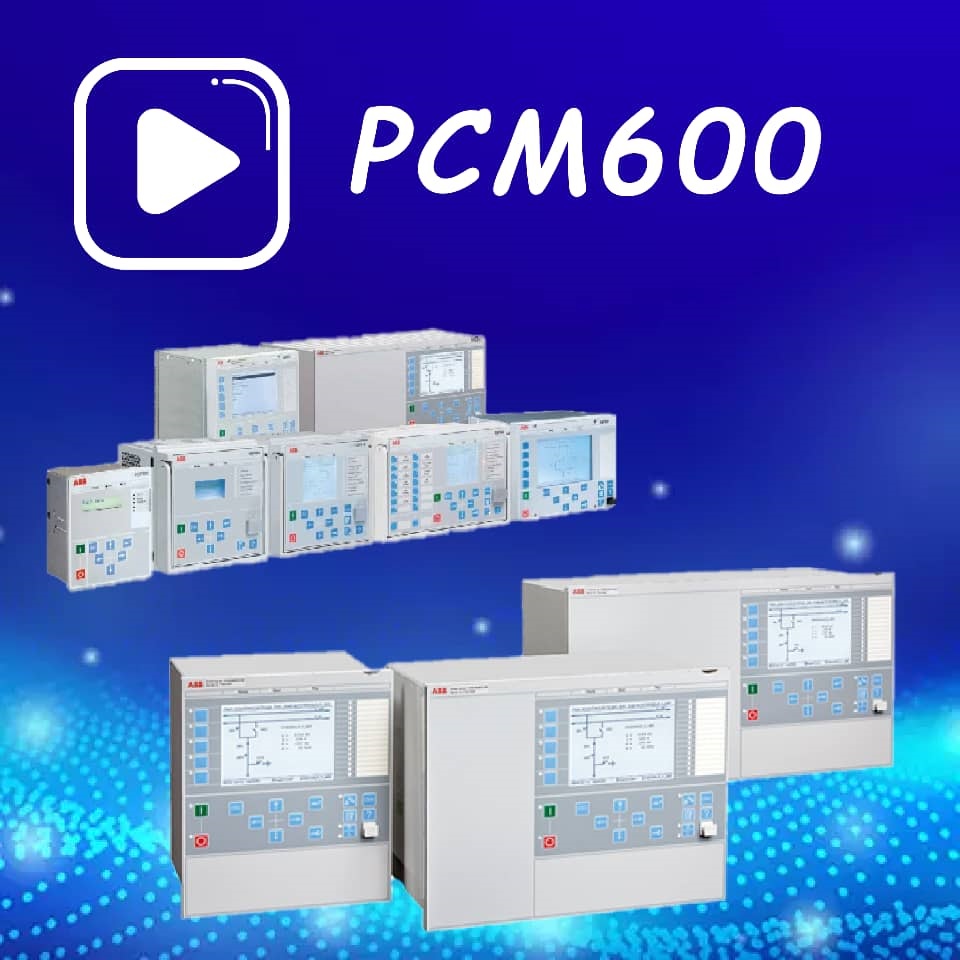
PCM600 — Protection and Control IED Manager
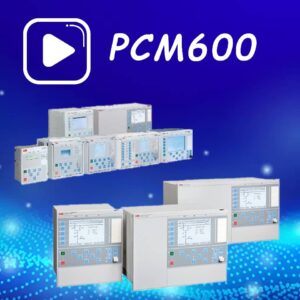
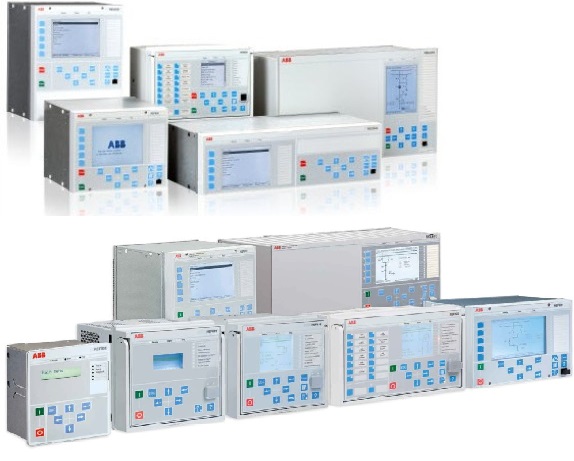
An easy-to-use tool that provides versatile functionalities needed throughout the life cycle of ABB’s Relion® protection and control IEDs for transmission and distribution applications. PCM600 is IEC 61850 compliant, simplifying IED engineering and enabling information exchange with other IEC 61850–compliant tools. Its hierarchical presentation mirrors real system topology, making it efficient to view and edit power-system data.
Engineer efficiently
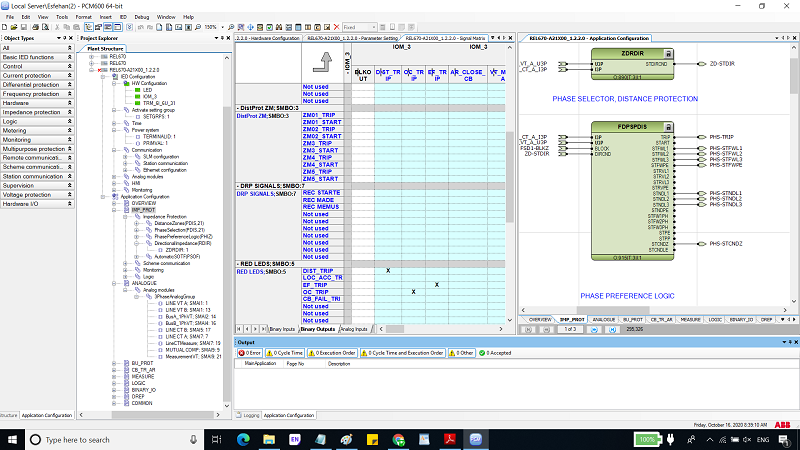
PCM600 delivers streamlined configuration and communication engineering with an intuitive, well-structured interface. It offers easy I/O mapping and signal mapping configuration, designed to accelerate relay projects.
The user interface, workflow, and IEC 61850–based data model follow the same philosophy as the IED itself, ensuring seamless integration between PCM600 and Relion IEDs. PCM600 includes features for IEC 61850 communication between bay and station levels and bay-to-bay GOOSE messaging for station-wide interlocking and parallel-transformer control.
Set parameters
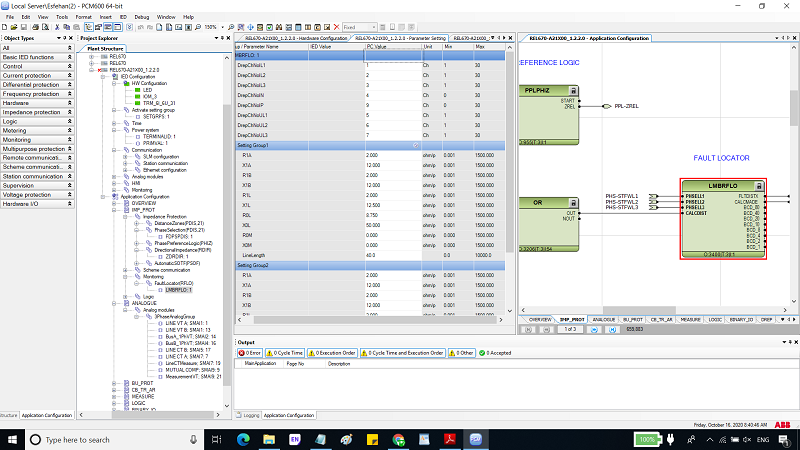
PCM600’s filtering lets you quickly view and modify the most important parameters, with an advanced mode to handle all parameters. You can upload current settings and use comparison features to verify that intended changes are correct before downloading the new IED settings.
Analyze and monitor
Beyond configuration, PCM600 enables monitoring of measurements and signal statuses. It scans and retrieves disturbance information for automatic report generation and can automatically email reports to predefined addresses, speeding up corrective actions. This lets relay engineers focus on disturbance analysis rather than manual data collection.
Download software
PCM600 software is available for free download at the link below.
Scope
- Engineering for all Relion® protection and control relays
Product benefits
- Simplified relay application configuration
- Clear overview of parameter settings
- Easy comparison of relay and PCM600 configurations
- Access to the latest software version
- IEC 61850 certification ensures smooth data exchange and seamless integration with IEC 61850 systems
Product features
- Efficient engineering of complete protection relay applications
- Communication management for configuring various protocols
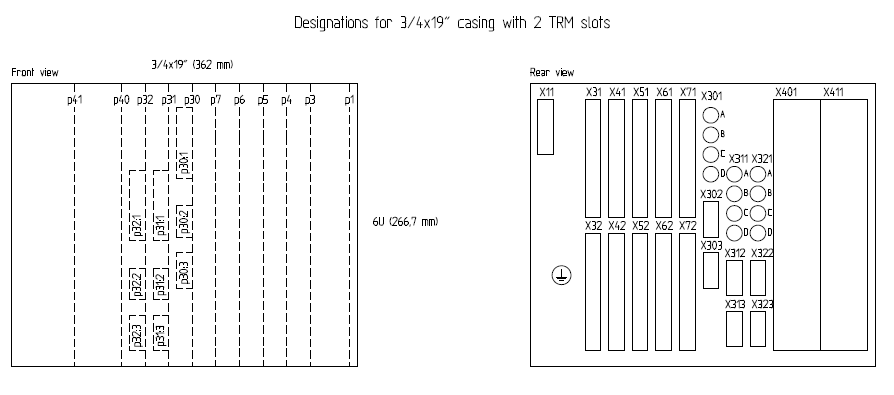
- Relay hardware and display configuration
- Powerful parameter filtering for setting management
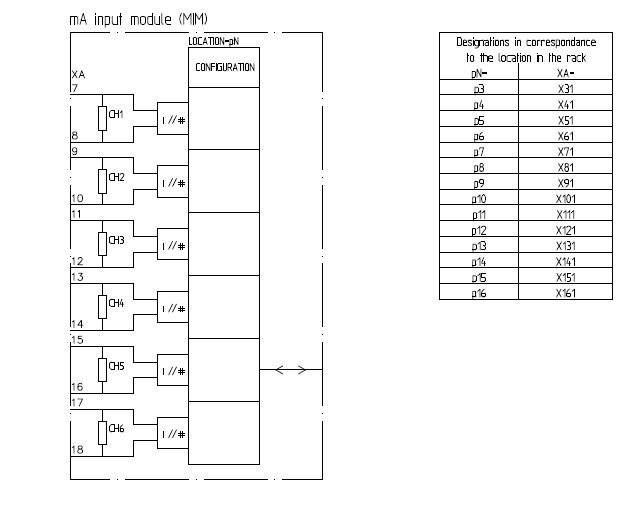
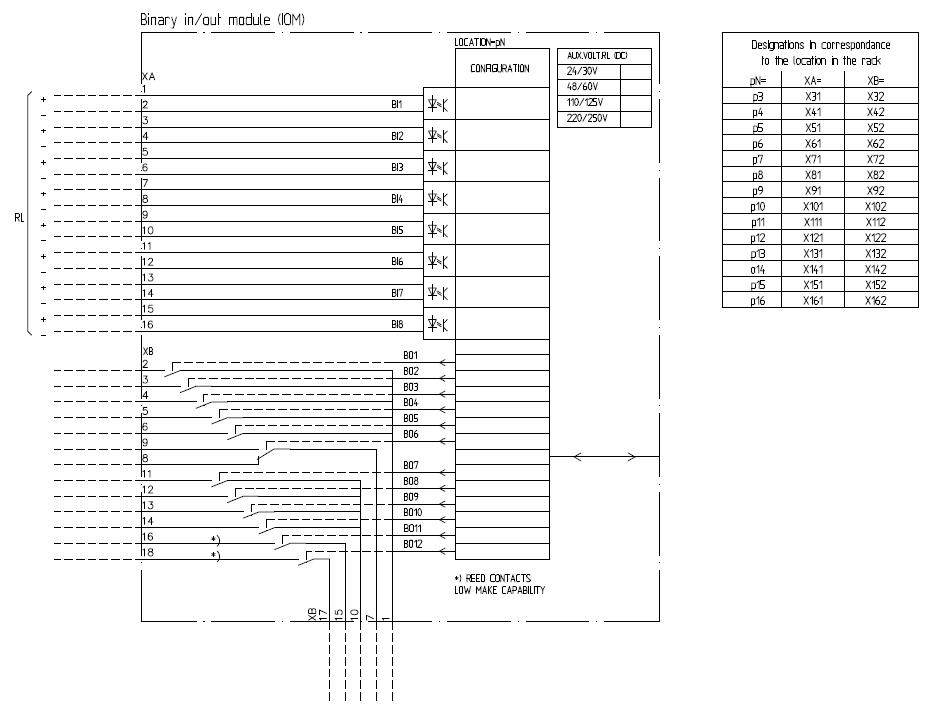
- Comprehensive protection relay I/O configuration
Download:
- PCM600 V 2.8
- PCM600 V 2.9
- PCM600 V 2.12
- PCM600 V 2.13
- PCM600 V 2.14

PCM600 version 2.14
Function: PCM600 is a versatile, license-free tool that supports the entire life cycle of IEDs, from initial application and communication configuration to monitoring, analysis, and maintenance.
- The documentation for version 2.14 has a revision date of September 11, 2025. This indicates it is a recent or upcoming version, likely replacing previous versions like 2.13 and 2.12.
- Compatibility: For optimal performance, it is recommended to use the latest IED Connectivity Packages with PCM600 2.14. It can be installed in parallel with earlier versions (e.g., 2.13, 2.12, 2.11) on the same computer.
- Compliance: PCM600 is compliant with the IEC 61850 standard, which simplifies IED engineering and enables seamless information exchange with other compliant tools.
Primary Features
- Efficient Engineering: Provides an intuitive interface for I/O and signal mapping, application configuration, and communication engineering (including IEC 61850 GOOSE messaging).
- Parameter Setting: Enables users to view, set, and compare parameters, ensuring that the correct values are downloaded to the IEDs.
- Analysis and Monitoring: Enables monitoring of measurements and signal statuses, and automatically scans and retrieves disturbance information for report generation.
- Security: Supports secure communication features, including FTPS and the management of IED certificates, in line with cybersecurity guidelines.
- User Management: Includes features for managing PCM600 and IED users, creating user categories, and mapping roles.
PCM600 2.14 is available for download free of charge from the manufacturer’s software library.



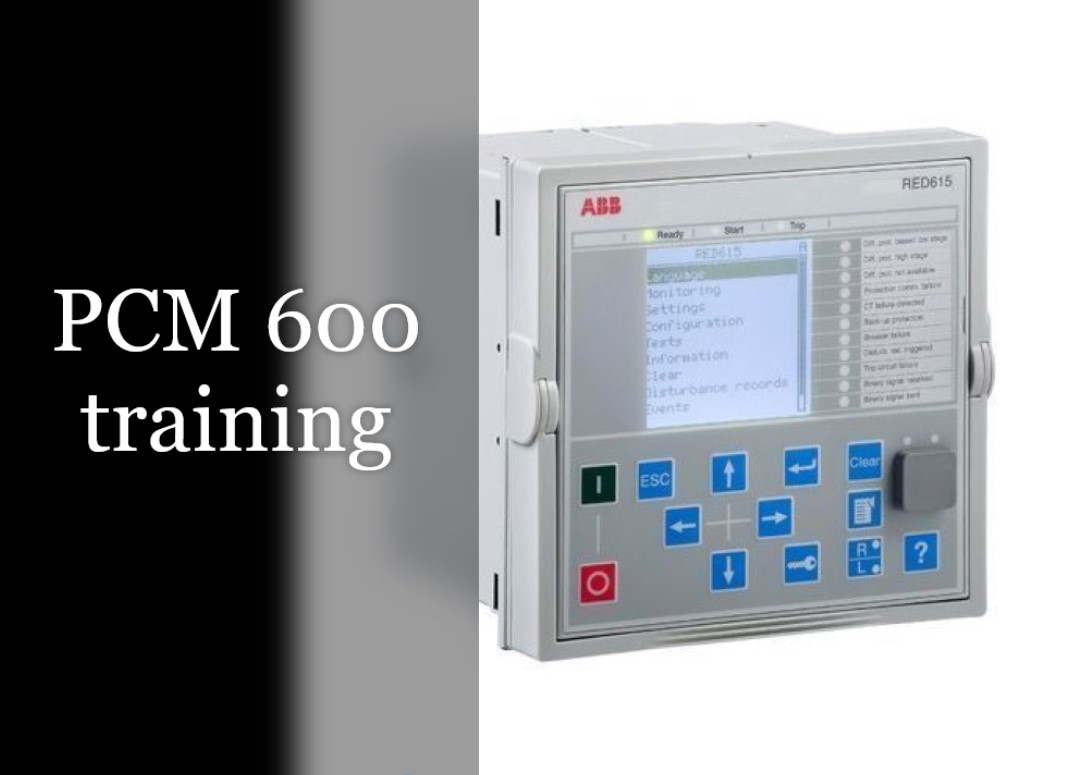


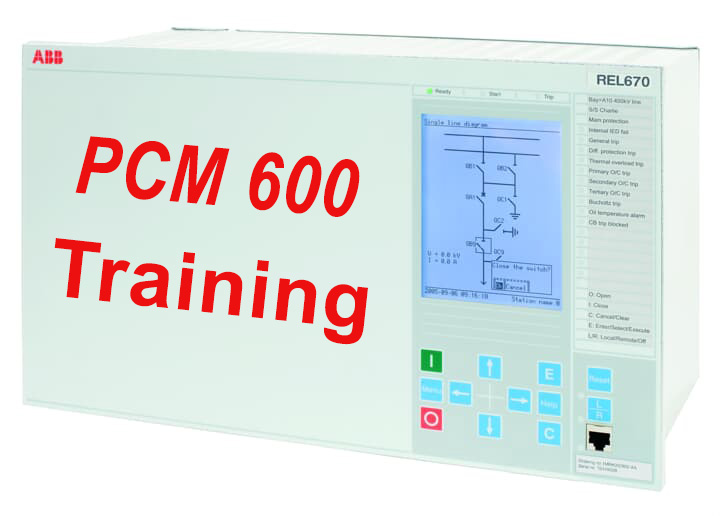

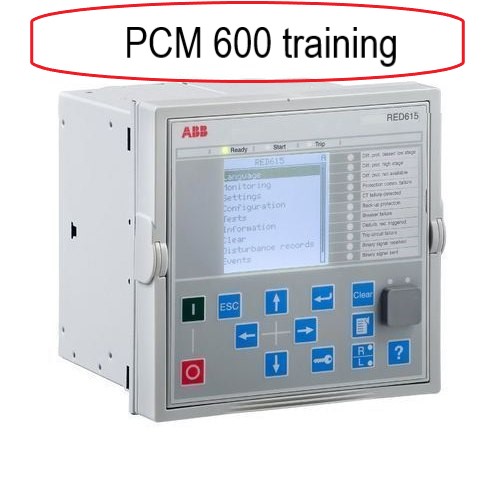


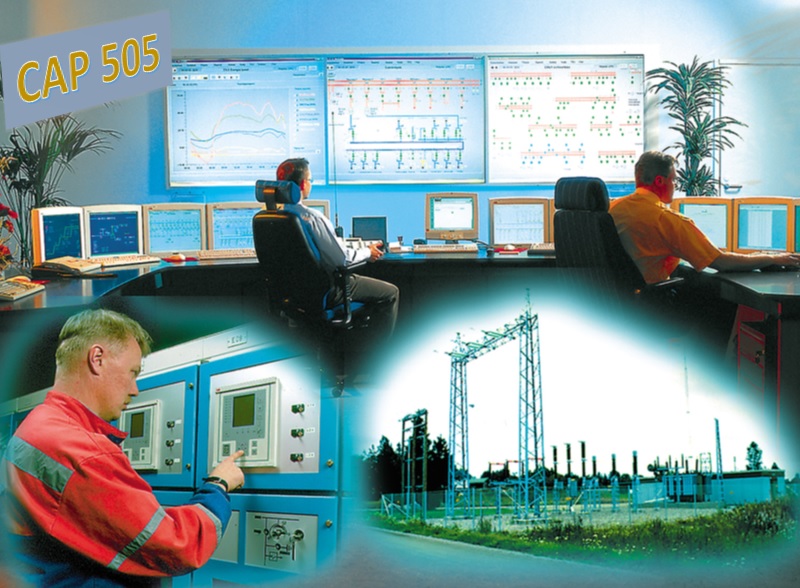
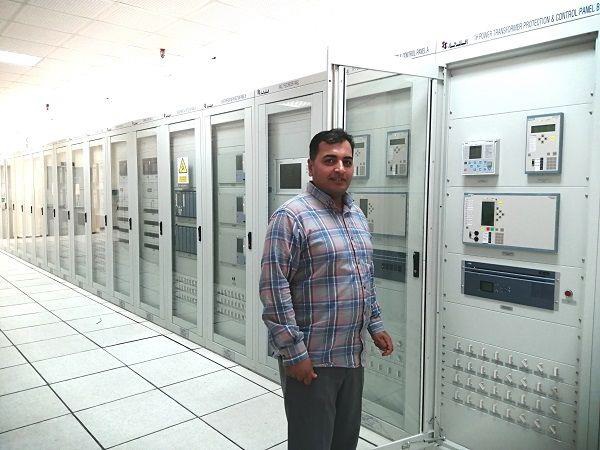
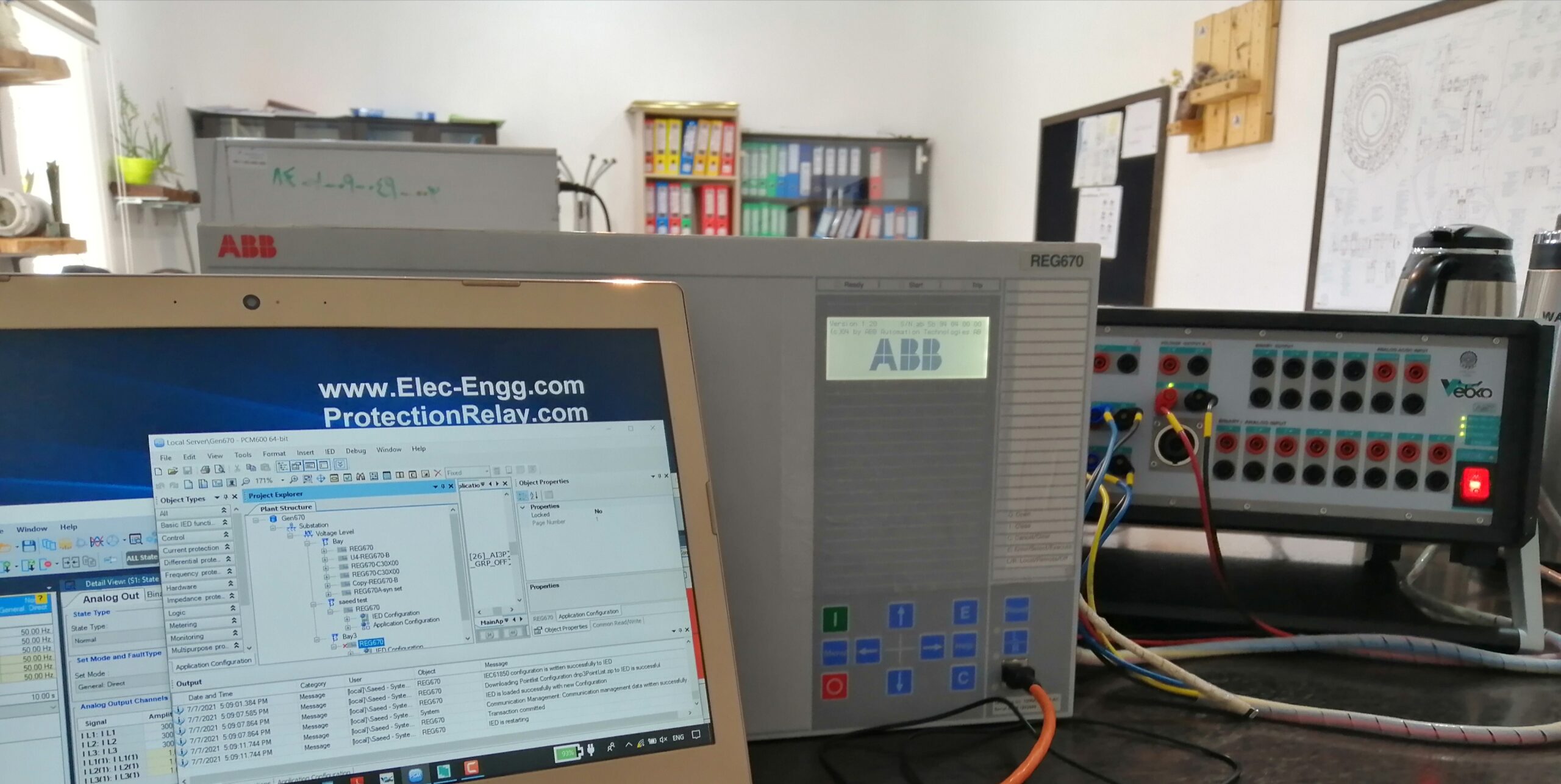

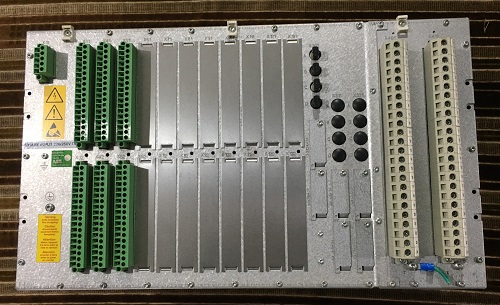
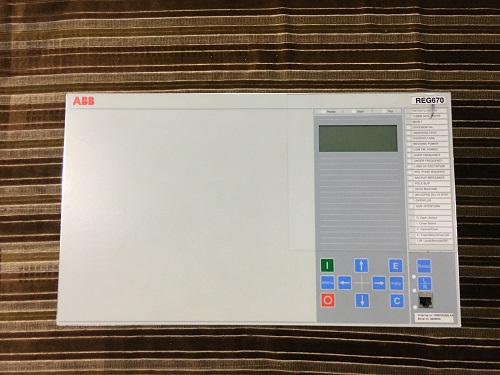










PCM 600 training is important for several reasons, depending on the context (e.g., project management, communications, or a specific organization’s program). I’ll cover common angles and you can tell me which one matches your situation:
- Project Management and Coordination
- Structured planning: PCM 600 typically covers risk assessment, resource planning, scheduling, and stakeholder communication, helping projects stay on track.
- Quality and deliverables: It emphasizes clear criteria for success, acceptance, and handoffs, reducing rework.
- Change management: You’ll learn how to manage scope changes, cost implications, and timelines more effectively.
- Crisis and Incident Management (if PCM stands for a crisis/continuity framework)
- Preparedness: Training builds incident response, escalation paths, and communication protocols to minimize downtime.
- Coordination: It aligns cross-functional teams, vendors, and customers during disruptions.
- Post-incident learning: It emphasizes root-cause analysis and corrective actions to improve resilience.
- Communications and Public Relations (if PCM is a communications/PR framework)
- Message consistency: Training helps craft clear, consistent messages for diverse audiences.
- Stakeholder engagement: It covers audience analysis, channels, and feedback loops.
- Reputation management: Skills to anticipate and mitigate reputational risks.
- Technical/Engineering or Compliance Context
- Standards and procedures: PCM 600 may cover standardized processes, documentation, and compliance requirements.
- Audit readiness: Training helps ensure you can demonstrate adherence during reviews or audits.
- Risk reduction: It emphasizes identifying and mitigating technical, safety, or regulatory risks.
- Career and organizational benefits
- Credential and credibility: Completing PCM 600 can signal a solid foundation to employers or clients.
- Cross-functional understanding: It often teaches how different parts of the organization interact, improving collaboration.
- Efficiency and productivity: Well-defined processes reduce ambiguity and speed up decision-making.
How to maximize value from PCM 600 training
- Map to your goals: Identify which modules align with your role and projects.
- Apply immediately: Practice with real-world scenarios from your work during or after the course.
- Seek real-life examples: Bring in past incidents or projects to discuss how the training would have changed outcomes.
- Network: Use the training to connect with peers who can share best practices.
If you can share:
- What PCM stands for in your context (e.g., Project/Program/Continuity Management, or a specific organizational framework),
- Your role and current challenges,
- What do you hope to achieve with this training?